My Garage
My Account
Cart
Genuine Lincoln Continental Antenna
Radio Antenna- Select Vehicle by Model
- Select Vehicle by VIN
Select Vehicle by Model
orMake
Model
Year
Select Vehicle by VIN
For the most accurate results, select vehicle by your VIN (Vehicle Identification Number).
13 Antennas found
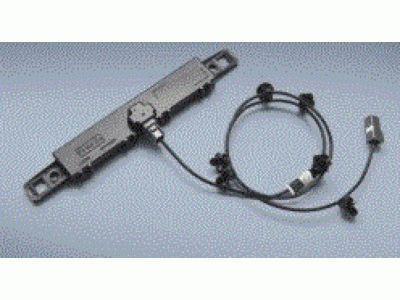
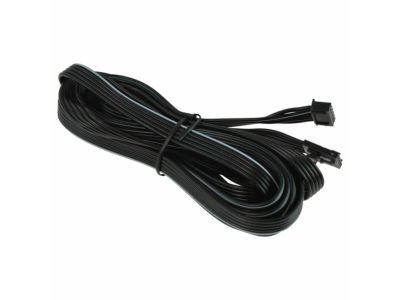
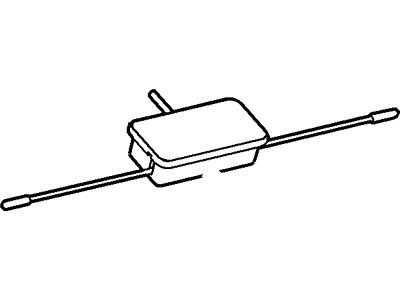
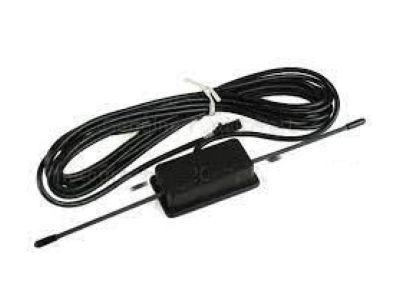
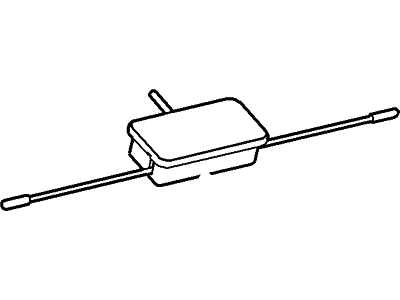
Lincoln Continental Antenna Assembly
Part Number: 2W7Z-15603-AA$28.68 MSRP: $35.00You Save: $6.32 (19%)

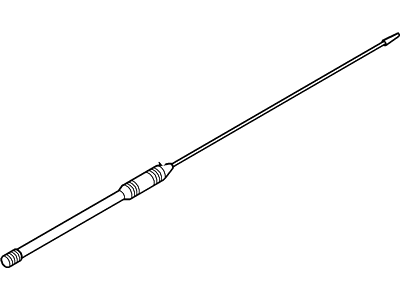
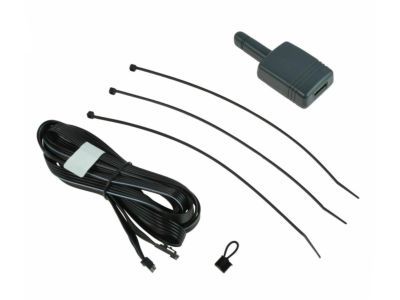
Lincoln Continental Antenna Mast
Part Number: 1F1Z-18A886-AA$25.36 MSRP: $34.65You Save: $9.29 (27%)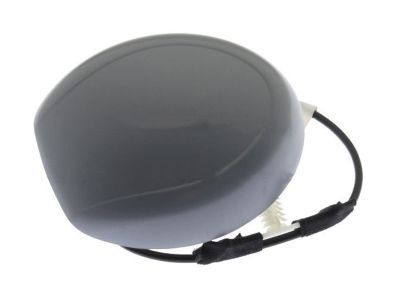

Lincoln Continental Gps Antenna
Part Number: HR3Z-10E893-ACPTM$30.61 MSRP: $44.75You Save: $14.14 (32%)Ships in 1-2 Business Days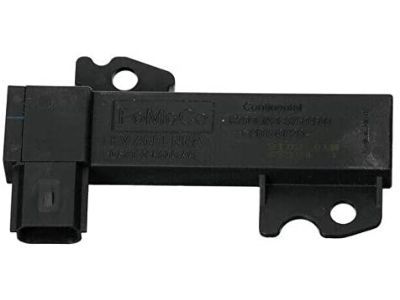
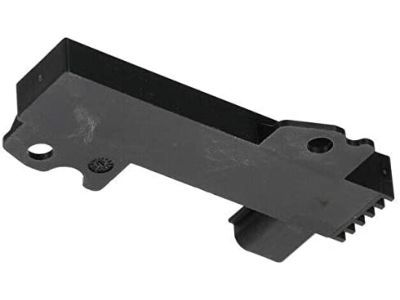


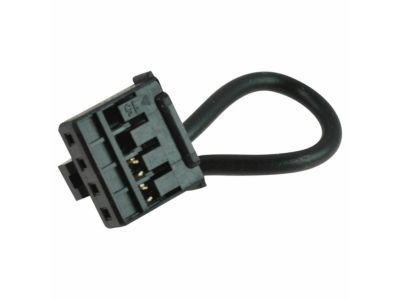
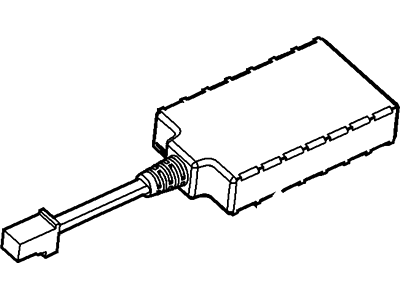
Lincoln Continental Antitheft Module
Part Number: DS7Z-19D596-A$21.56 MSRP: $25.00You Save: $3.44 (14%)Ships in 1 Business Day

Lincoln Continental Ignition Immobilizer Module
Part Number: F2GZ-15607-C$65.25 MSRP: $75.00You Save: $9.75 (13%)Ships in 1-3 Business Days
Lincoln Continental Antenna Mast
Part Number: JD9Z-19A390-AAPTM$68.40 MSRP: $80.00You Save: $11.60 (15%)Ships in 1-3 Business Days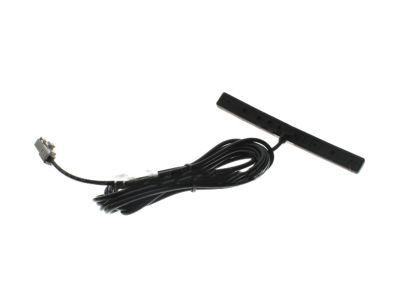

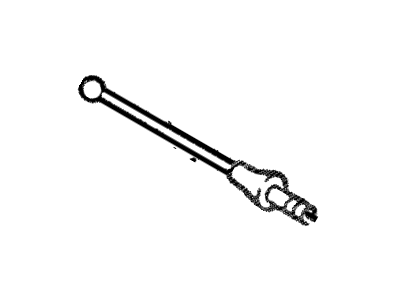
Lincoln Continental Antenna Assembly
Part Number: JS7Z-15603-A$30.71 MSRP: $35.00You Save: $4.29 (13%)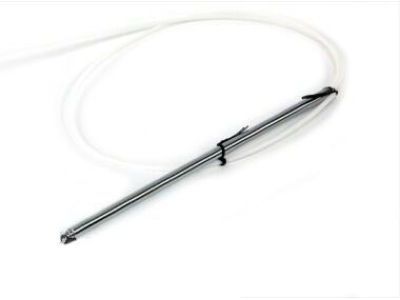




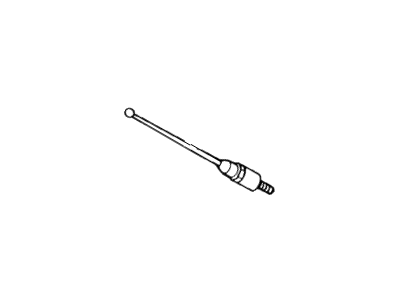
Lincoln Continental Antenna
Lincoln Continental Antenna lets drivers catch clear AM and FM broadcasts while keeping style in line with the luxury sedan. Early Lincoln models relied on a long steel tube Antenna mounted near the hood that owners lifted by hand before hitting the road, its 45 inch reach pulling distant signals into the radio receiver through wired connection and an inline amplifier. Through the years the Continental adopted sleeker options, switching to power retractable external masts that tuck away automatically to avoid garage scuffs, then to windshield or trunk hidden internal elements that leave the bodywork clean. Updated Lincoln trims can feature a compact roof top satellite Antenna delivering crisp sound and added channel variety, a step beyond traditional AM or FM. Internal systems stay shielded from weather, external fiberglass or metal poles trade protection for slightly stronger reception, and the satellite puck balances both advantages. Regardless of style, each Antenna works with the built in amplifier to boost radio frequency power so every Continental cruise keeps the playlist steady. Choosing the proper Antenna ensures your Lincoln Continental remains connected on every avenue.
We provide a wide range of Lincoln Continental Antenna at the optimal prices. If you need Lincoln Continental Antenna, you can shop with confidence on our website. All our OEM parts come with a manufacturer's warranty and are delivered to your doorstep with a fast delivery service.
Lincoln Continental Antenna Parts Questions & Experts Answers
- Q:How to test and replace the antenna on Lincoln Continental?A:To test antenna cables and mast on vehicles made before 1996, disconnect the cable from the radio, put your ohmmeter on it, and measure resistance; readings should be below five ohms. Your antenna is working when the reading shows it's correct. Look at the antenna cable and mast base when reading is wrong. First, measure the resistance between the antenna cable and the radio, then between the cable and the antenna. Resistance under five ohms on each connection is normal; replacing them if they don't measure correctly. Pull the antenna physically from the car to see if the measurement between the base and its center port is under five ohms; this means the antenna is working. Higher readings mean you need to replace it. Disconnect the cable from the negative battery first. Then to remove the front-mounted antenna, lower it down and take away the rear screws behind the right front fender to get to the antenna bolt below. Drop the antenna through the fender opening after removing the top nut from the stanchion and reinstall it by going backwards through this process. To reach the rear antenna, lift the car, then take out the lower antenna bolt after removing the trunk trim panel. Unscrew the antenna cap from the radio, undo the mounting screws, disconnect power connections, lift the antenna down into the trunk of the vehicle, while reversing these steps for correct installation. When the plastic antenna drive cable gets damaged or the mast becomes bent, you must replace both the cable and the mast which stays where it is attached to the motor. Take off the retaining nut. Gently pull the mast out of the motor until the drive cable has room to come off. Record how the drive teeth move as you pull. Detach the old mast with a hacksaw, slip the nut and tube away, insert the new cable into the motor drive, keep running the motor and holding the cable till 12 inches go inside, lower down the new tube and nut, secure the nut firmly, and verify operation by switching on and off the radio antenna a few times.