

My Garage
My Account
Cart
Genuine Lincoln Navigator Vapor Canister
Fuel Vapor Canister- Select Vehicle by Model
- Select Vehicle by VIN
Select Vehicle by Model
orMake
Model
Year
Select Vehicle by VIN
For the most accurate results, select vehicle by your VIN (Vehicle Identification Number).
18 Vapor Canisters found
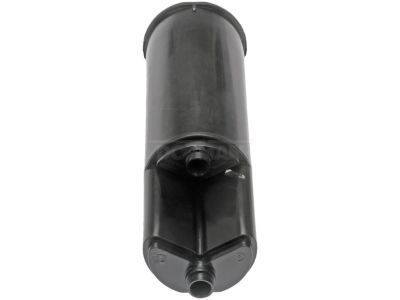
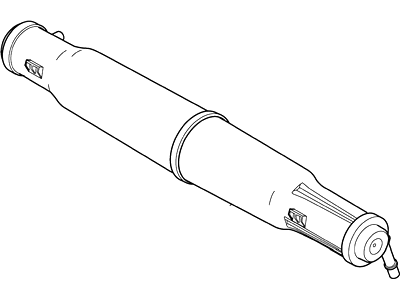
Lincoln Navigator Reservoir Assembly
Part Number: F75Z-9D653-AC$127.95 MSRP: $207.27You Save: $79.32 (39%)Ships in 1-2 Business Days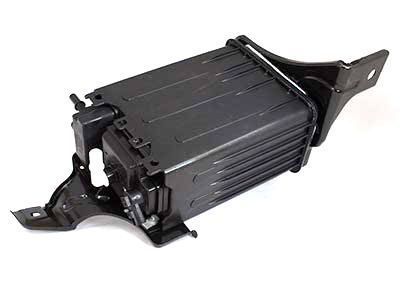
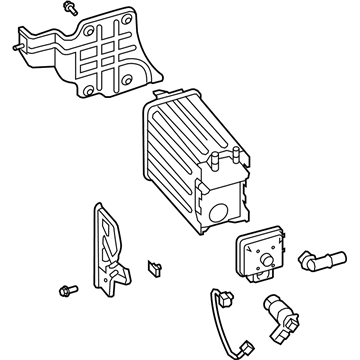
Lincoln Navigator Fuel Vapour Store Cannister
Part Number: BL1Z-9D653-A$298.34 MSRP: $487.27You Save: $188.93 (39%)Ships in 1-2 Business Days


Lincoln Navigator Fuel Vapour Store Cannister
Part Number: 8L1Z-9D653-C$298.34 MSRP: $487.27You Save: $188.93 (39%)Ships in 1-2 Business DaysLincoln Navigator Fuel Vapour Store Cannister
Part Number: 9L1Z-9D653-C$298.34 MSRP: $487.27You Save: $188.93 (39%)Ships in 1-2 Business DaysLincoln Navigator Fuel Vapour Store Cannister
Part Number: 9L1Z-9D653-D$298.34 MSRP: $487.27You Save: $188.93 (39%)Ships in 1-2 Business Days

Lincoln Navigator Fuel Vapour Store Cannister
Part Number: NL3Z-9D653-F$217.07 MSRP: $354.55You Save: $137.48 (39%)Ships in 1-2 Business Days
Lincoln Navigator Fuel Vapour Store Cannister
Part Number: JL3Z-9D653-A$611.62 MSRP: $1007.27You Save: $395.65 (40%)Ships in 1-2 Business Days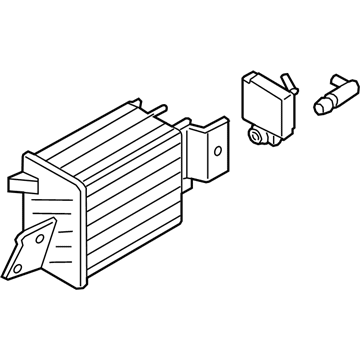
Lincoln Navigator Fuel Vapour Store Cannister
Part Number: JL3Z-9D653-B$217.07 MSRP: $354.55You Save: $137.48 (39%)Ships in 1-3 Business Days
Lincoln Navigator Fuel Vapour Store Cannister
Part Number: NL3Z-9D653-G$611.62 MSRP: $1007.27You Save: $395.65 (40%)Ships in 1-2 Business Days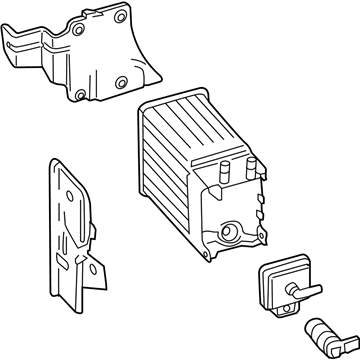
Lincoln Navigator Fuel Vapour Store Cannister
Part Number: FL1Z-9D653-A$320.60 MSRP: $523.64You Save: $203.04 (39%)Ships in 1-3 Business Days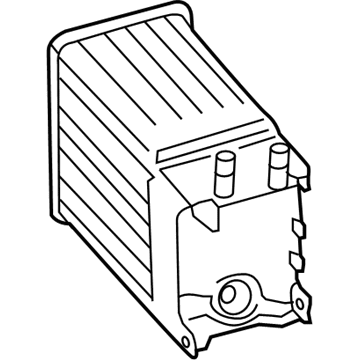
Lincoln Navigator Fuel Vapour Store Cannister
Part Number: FL1Z-9C985-A$241.82 MSRP: $389.09You Save: $147.27 (38%)Ships in 1-3 Business Days


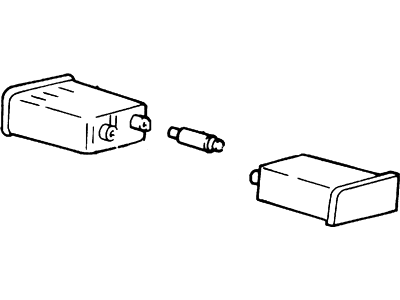
Lincoln Navigator Reservoir Assembly
Part Number: F65Z-9D653-AA$88.35 MSRP: $140.91You Save: $52.56 (38%)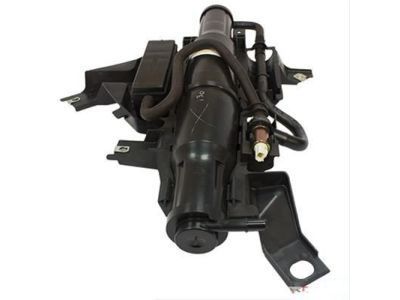
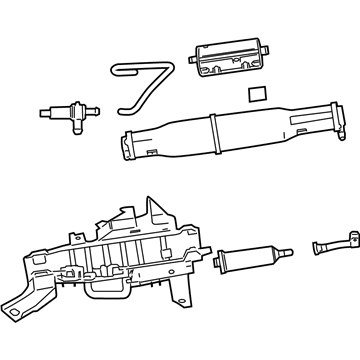


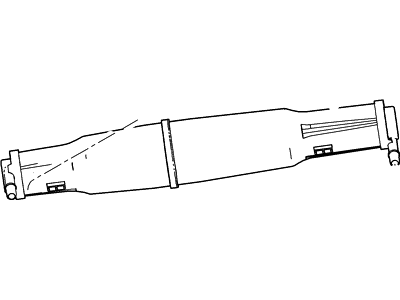
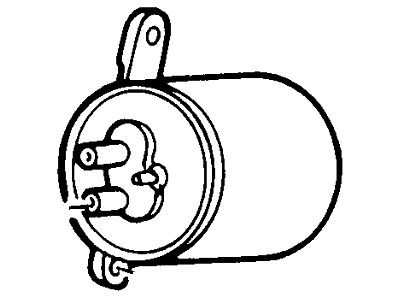
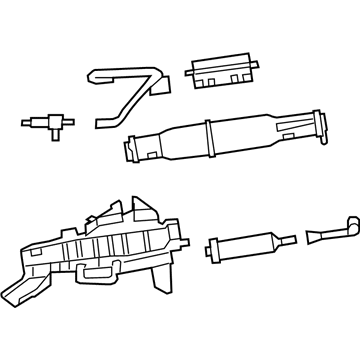

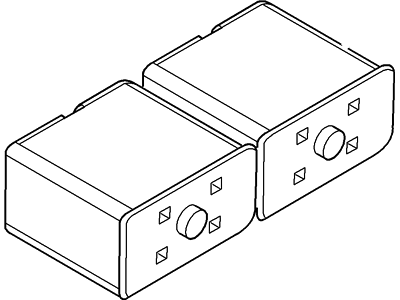
Lincoln Navigator Vapor Canister
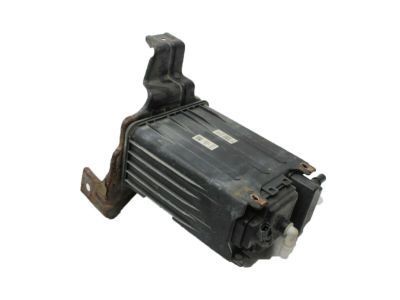
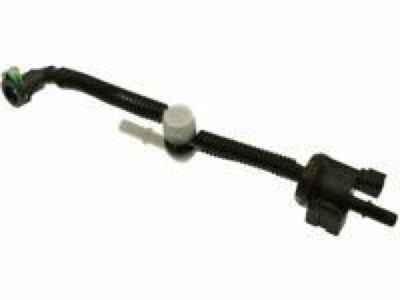
The Vapor Canister is situated in the Lincoln Navigator vehicles and is a component of the evaporative emissions control (EVAP) which aims at minimizing hydrocarbon emission in the atmosphere. It works by holding fuel vapour derived from the fuel tank which is admitted into the engine in portions and ignited together with air. This process is again controlled by a purge valve which regulates the out flow of vapours. The Lincoln Navigator has undergone through different years with different designs of Vapor Canisters that have features such as replaceable filters and some with boosted diagnostic ability in detecting a leak. Current canisters are fitted with items like a canister vent solenoid and a fuel tank pressure sensor; these are used to ensure that the operation of the system run smoothly and other signs of potential problems in the canister. The main difference between these canisters must be considered the diagnostic capacities and the presence of extra components for assessing the integrity of a system.
We provide a wide range of Lincoln Navigator Vapor Canister at the optimal prices. If you need Lincoln Navigator Vapor Canister, you can shop with confidence on our website. All our OEM parts come with a manufacturer's warranty and are delivered to your doorstep with a fast delivery service.
Lincoln Navigator Vapor Canister Parts Questions & Experts Answers
- Q: What Is the Vapor Canister in the Evaporative Emission Control System and how to replace it on Lincoln Navigator?A:When the car is not running, the system catches fuel vapors from the fuel tank, throttle body, and intake manifold that drift up. It holds those fumes in the charcoal canister, then directs them back into the engine to burn during normal operation. The EVAP system includes a charcoal-filled canister, connecting hoses, fuel tank, fuel vapor control valve, fuel tank pressure sensor, fuel cap, fuel vapor opening, ported and intake vacuum. On all models, a box-shaped charcoal canister sits on the frame near the fuel tank, except that the Expedition and Navigator use a round-shaped canister. When the engine switches off, the vapor management valve lets fuel vapors escape from three sources - the fuel tank, throttle body, and intake manifold - and send them to a canister until the engine starts again. When the engine runs, the same valve sends the vapor from the canister through the PCM (powertrain control module) and mixes it with the engine fuel before burning it up. The fuel tank pressure sensor sends the fuel tank interior pressure readings to the fuel monitoring system. This system uses the readings to control EVAP system fuel processes. The system shows EVAP issues by creating special code alerts, such as P0452, P0453, and P1451, pointing at trouble spots. A broken vapor management valve, a defective canister, or cracked hose lines can cause your car to run poorly, be difficult to start, and drive badly. You may find fuel loss or odors from leakage through damaged fuel lines or the throttle body, cracks in the vapor canister, or when the air filter isn't tightly installed. Before starting the engine, check each canister hose for bends, leaks, and breaks. Also look for cracks or damage on the canister itself. You can check for too much pressure in the fuel tank by taking off the gas cap and listening for air escaping, while a special OBD-II tool will give the most correct reading. When pressurized fuel vapor shows up, we must look at two parts: examine the hose and inlet port for blockage and find out if the valve has air access. You test the charcoal canister's tightness by applying pressure and making sure it has air-flow when you release the pressure. Examine all the hoses around the vapor management valve for damage and correct placement. Test the valve's battery power. Label all vacuum hoses connected to the canister before pulling them out, then loosen the mounting clamp bolt to release the canister, and fix it back in place by following these steps in reverse when installing new parts.
Related Lincoln Navigator Parts
 Lincoln Navigator PCV Hose
 Lincoln Navigator PCV Valve
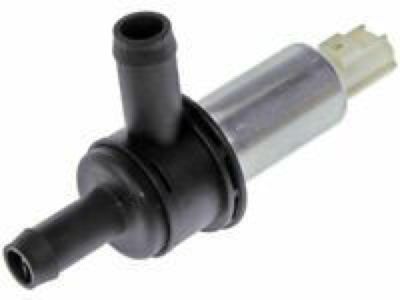
 Lincoln Navigator Canister Purge Valve
 Lincoln Navigator PCV Valve Elbow
Browse by Year
2025 Vapor Canister 2024 Vapor Canister 2023 Vapor Canister 2022 Vapor Canister 2021 Vapor Canister 2020 Vapor Canister 2019 Vapor Canister 2018 Vapor Canister 2017 Vapor Canister 2016 Vapor Canister 2015 Vapor Canister 2014 Vapor Canister 2013 Vapor Canister 2012 Vapor Canister 2011 Vapor Canister 2010 Vapor Canister 2009 Vapor Canister 2008 Vapor Canister 2007 Vapor Canister 2006 Vapor Canister 2005 Vapor Canister 2004 Vapor Canister 2003 Vapor Canister 2002 Vapor Canister 2001 Vapor Canister 2000 Vapor Canister 1999 Vapor Canister 1998 Vapor Canister