

My Garage
My Account
Cart
Genuine Ford Bronco Brake Pedal
Brake Pedal Pad- Select Vehicle by Model
- Select Vehicle by VIN
Select Vehicle by Model
orMake
Model
Year
Select Vehicle by VIN
For the most accurate results, select vehicle by your VIN (Vehicle Identification Number).
2 Brake Pedals found
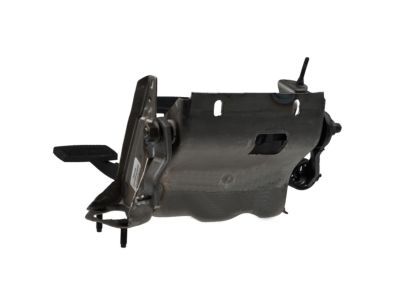
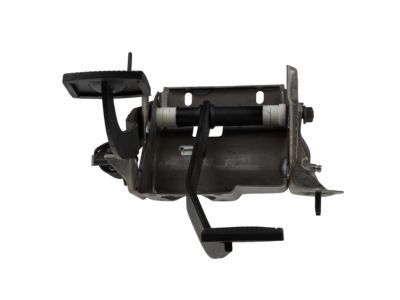
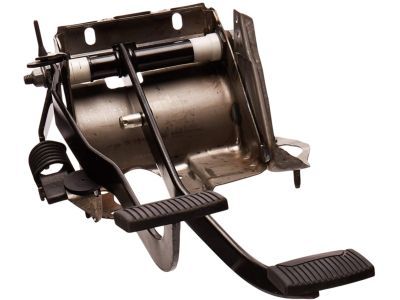
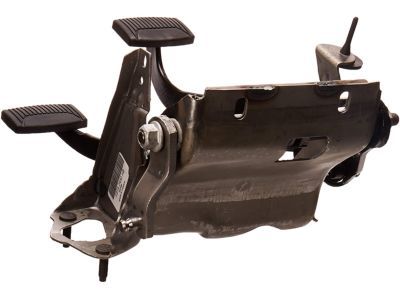
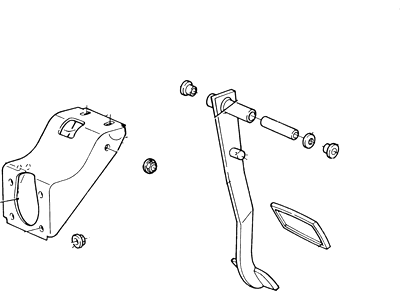
Ford Bronco Brake Pedal Assembly
Part Number: F3TZ-2455-A$331.29 MSRP: $489.50You Save: $158.21 (33%)Ships in 1-2 Business Days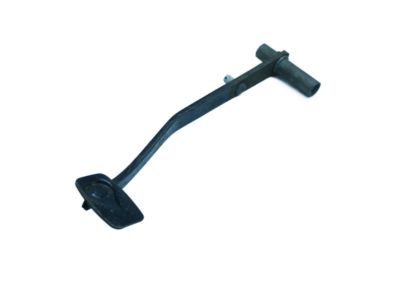
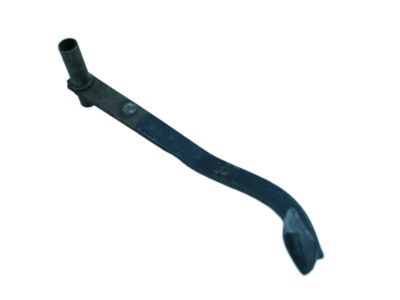
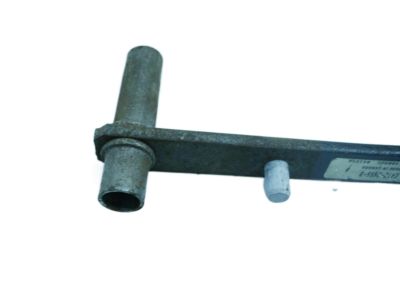

Ford Bronco Brake Pedal
The Ford Bronco Brake Pedal gives the driver direct access to the stopping power, translating the pressure of your foot into hydraulic pressure that slows or stops the SUV. Upon pressing the Brake Pedal, the master cylinder is activated and pressure is built, which clamps the calipers or drums on the wheels. When an action is performed thousands of times, it causes the pad on top of the Brake Pedal to wear out. In addition, its ribs can flatten and harden. A worn grip on the ribbed surface can make your foot slip off while stepping down. Similarly, a wet sole on a smooth surface can risk a slip-off. So, to restore safety and aesthetics of your vehicle, you are advised to get a fresh ribbed pad. The Brake Pedal of the Ford Bronco changed from simple steel arm designs with rubber pads to bolt-in assemblies for stronger modern brakes and to racing setups designed for rapid engagement. To provide a quicker response, the Brake Pedal has been set slightly higher up in modern and racing units. Furthermore, these units also use more rigid bushings that help to further sharpen feel. The Brake Pedal must give obvious leverage to allow the Ford driver to control the stopping force consistently. Frequent examination of the Bronco pad and timely replacement when the ribs disappear keeps the Ford Bronco stopping.
We provide a wide range of Ford Bronco Brake Pedal at the optimal prices. If you need Ford Bronco Brake Pedal, you can shop with confidence on our website. All our OEM parts come with a manufacturer's warranty and are delivered to your doorstep with a fast delivery service.
Ford Bronco Brake Pedal Parts Questions & Experts Answers
- Q:How to remove and install the Brake Pedal and Clutch Pedal on Ford Bronco?A:When unbearing the clutch parts, then first of all, it is necessary to unscrew the retracting spring from the clutch release lever on mechanical linkage systems. Then pull the upper retaining pin, to release the clutch rod from the pedal cross-shaft lever. For hydraulic systems, while giving due attention give a gentle pry to the clutch master cylinder pushrod and retainer bushing from the pedal cross-shaft lever pin. One must temporarily tack the spring coil underneath the dash so that it will not stretch too much. Depress the three support pegs move the marked position of the clutch pedal all the way to the floor and remove the spring. Next, remove the locknut that is used in fastening the clutch cross-shaft lever at the clutch pedal cross-shaft then take off the lever. If fitted, then, you should take out the starter interlock switch from the clutch pedal housing. Subsequent to this, it is necessary to unbolt the clutch assembly from the clutch pedal cross-shaft and to release the clutch pedal. Remove the clutch pedal cross-shaft from the bushings; see that the brake pedal also uses this cross-shaft and will be flapping loosely now. If, for some reason, it is necessary to remove the brake pedal, disconnect the clutch-like master cylinder pushrod retainer from the pedal pin, and, if present, remove the brake operation switch located on the pedal, and then retrieve the brake pedal. In case of their wear, it is necessary to replace the right-and left hand clutch cross-shaft bushings. To install it, one needs to reverse the procedure of its removal; all bushings and pivot points need to be lubricated with multi-purpose grease. When fitting a new assist spring install it in a vise and take some wire to hold it compressed so that there is the desired length, but make sure that it is not compressed fully because this is bad for it and it makes the clutch pedal to be harder. After that, check the clutch linkage and make an adjustment if required, check the operation of the pedal mounted starter lock, if provided.


