My Garage
My Account
Cart
Genuine Mercury Bobcat Wheel Bearing
Hub Bearing- Select Vehicle by Model
- Select Vehicle by VIN
Select Vehicle by Model
orMake
Model
Year
Select Vehicle by VIN
For the most accurate results, select vehicle by your VIN (Vehicle Identification Number).
1 Wheel Bearing found
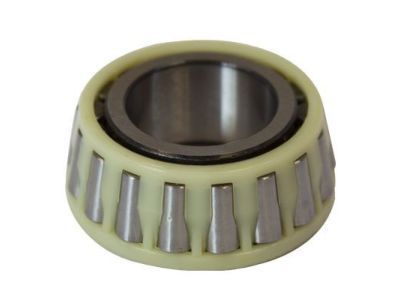

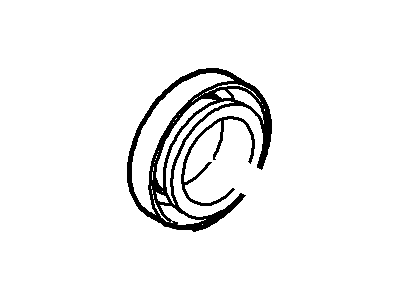
Mercury Bobcat Wheel Bearing
The Wheel Bearing in Mercury Bobcat vehicles has the primary function of making the rotation of the wheels to become easy and smooth thereby increasing the performance and safety. These bearings are located inside the hubs and they reduce resistance to rotation and thus enable the wheel and tire assembly run efficiently. Three basic styles of hub and bearing are found within Mercury Bobcat vehicles: the vast majority of these are a unit or integral style hub and bearing assembly typically including a ABS sensor that is replaced as a complete assembly. Also, while full-wheel-drive models may need the steering knuckle to be unbolted for maintenance, Non-driven axle hubs have taper roller bearings that can be replaced. Damaged or worn bearings may cause such problems like noise, vibration, and in severe cases, wheel loss, which is a big safety concern. The inspection and maintenance of the Wheel Bearing should be checked and done in a regular basis to help maintain the durability and dependability of the Mercury Bobcat vehicles.
We provide a wide range of Mercury Bobcat Wheel Bearing at the optimal prices. If you need Mercury Bobcat Wheel Bearing, you can shop with confidence on our website. All our OEM parts come with a manufacturer's warranty and are delivered to your doorstep with a fast delivery service.
Mercury Bobcat Wheel Bearing Parts Questions & Experts Answers
- Q:How to properly replace the front wheel bearings on Mercury Bobcat?A:Chock the rear wheels and apply the parking brake, then jack up the front of the car and support it on firmly based axle stands before removing the roadwheel. There is no need to disconnect the hydraulic pipeline, but ensure the weight of the caliper does not hang from it. Carefully remove the grease cap from the hub, then withdraw the cotter pin and lift away the nut lock, adjusting nut, and thrust washer. Lift away the outer bearing cone and roller assembly, followed by removing the brake disc from the wheel spindle. Use a screwdriver or tapered drift to remove the grease seal, which must be renewed. Take out the inner bearing cone and roller assembly from the hub, and remove grease from the inner and outer bearing tracks and the hub interior, inspecting for signs of wear, scratching, or pitting, as damage of this kind necessitates renewing the bearings. Drive out the bearing tracks using a drift, ensuring not to use new bearings with the original outer tracks; if both sides of the vehicle are being worked upon, keep the bearing components from the two sides separate. Fit the new tracks into the full depths of their recesses, work fresh lubricant into the new inner bearing rollers, and fit the bearing into the hub. Grease the lips of a new grease seal and install it, then pack the space between the two bearing tracks with fresh lubricant to the thickness of the bearing tracks. Refit the brake disc onto the wheel spindle, ensuring the hub remains central to avoid damaging the grease retainer, then fit the outer bearing cone and roller assembly, followed by the plain washer and adjustment nut. Adjust the wheel bearing, fit a new cotter pin, and bend the ends around the castellations of the nut lock to prevent interference with the grease cap. Finally, refit the grease cap by tapping it into position with a soft-faced hammer, secure the wheel, and lower the car to the ground.