

My Garage
My Account
Cart
Genuine Ford Rocker Arm
Engine Rocker Arm- Select Vehicle by Model
- Select Vehicle by VIN
Select Vehicle by Model
orMake
Model
Year
Select Vehicle by VIN
For the most accurate results, select vehicle by your VIN (Vehicle Identification Number).
69 Rocker Arms found
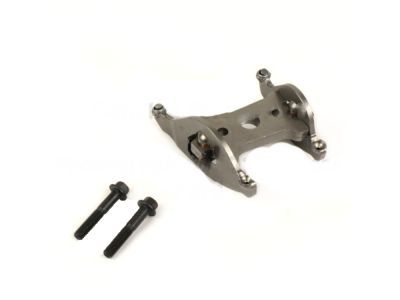
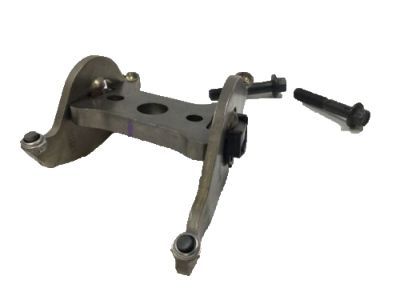
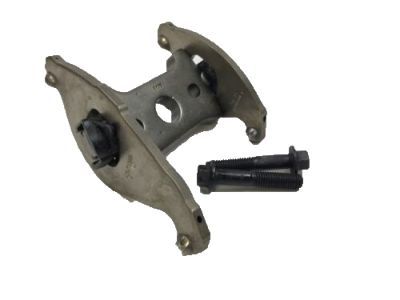
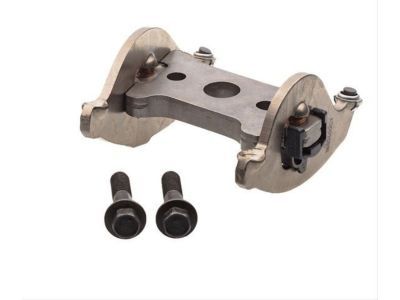
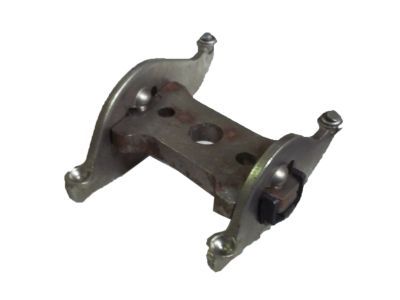
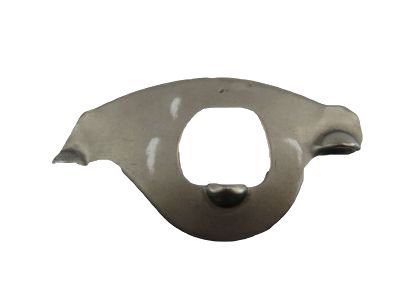
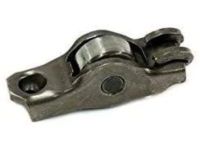
Ford Valve Rocker Arm Assembly
Part Number: 4C3Z-6564-AA$214.32 MSRP: $298.41You Save: $84.09 (29%)Ships in 1-2 Business DaysProduct Specifications- Other Name: Arm Assembly - Valve Rocker; Rocker Arms
- Replaces: 3C3Z-6564-DA
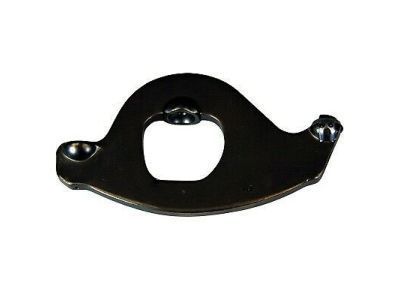
Ford Valve Rocker Arm Assembly
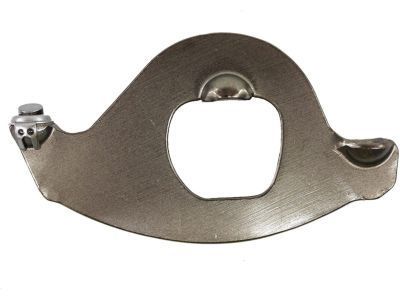
Part Number: 8C3Z-6564-C$61.66 MSRP: $91.90You Save: $30.24 (33%)Ships in 1 Business DayProduct Specifications- Other Name: Arm Assembly - Valve Rocker; Rocker Arms
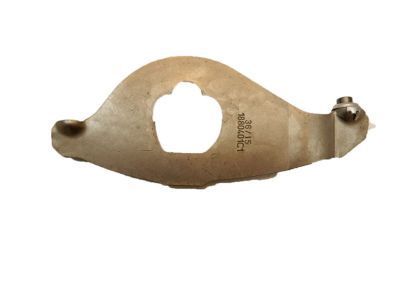
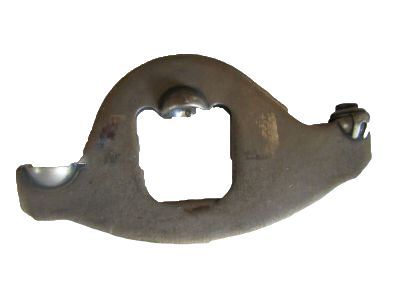
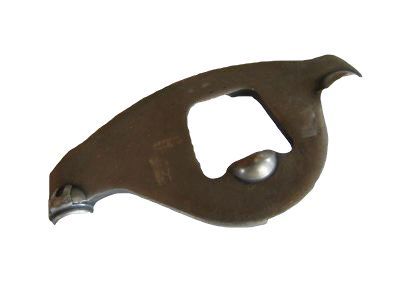
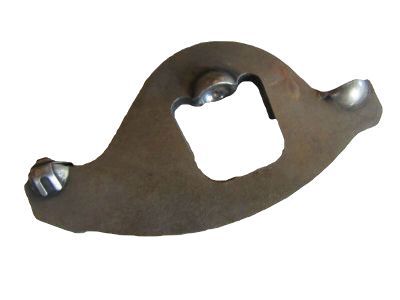
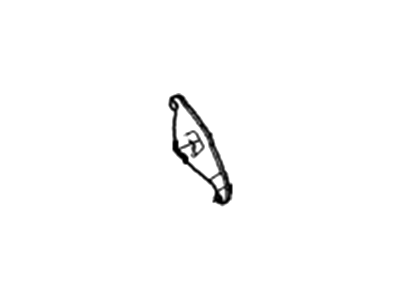
Ford Valve Rocker Arm Assembly
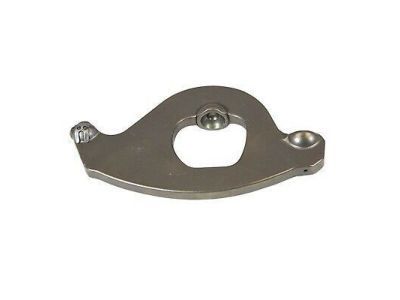
Part Number: 8C3Z-6564-B$59.95 MSRP: $89.37You Save: $29.42 (33%)Ships in 1 Business DayProduct Specifications- Other Name: Arm Assy - Valve Rocker; Rocker Arms
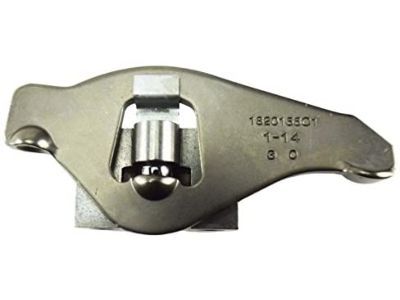
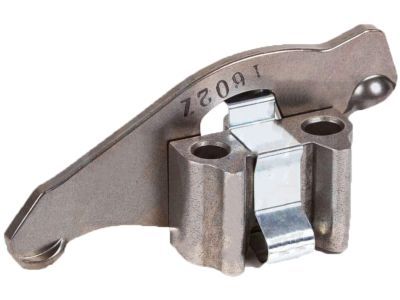
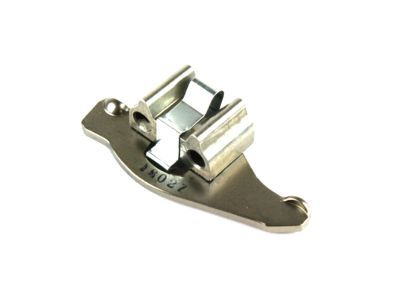
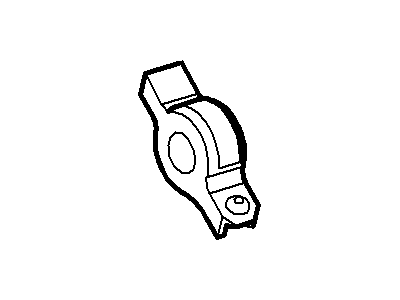
Ford Valve Rocker Arm Assembly
Part Number: F4TZ-6564-A$72.85 MSRP: $101.43You Save: $28.58 (29%)Ships in 1-3 Business DaysProduct Specifications- Other Name: Arm Assy - Valve Rocker; Rocker Arms


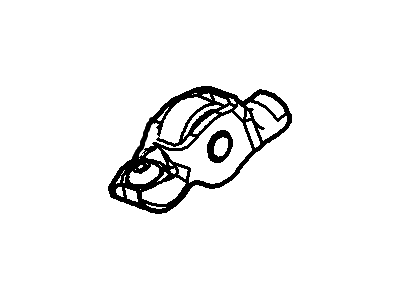 Product Specifications
- Other Name: Arm Assy - Valve Rocker; Rocker Arms
- Manufacturer Note: 24V
- Replaces: F5RZ-6564-A
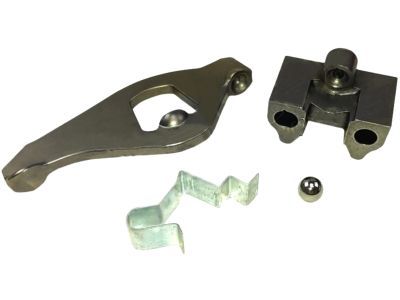
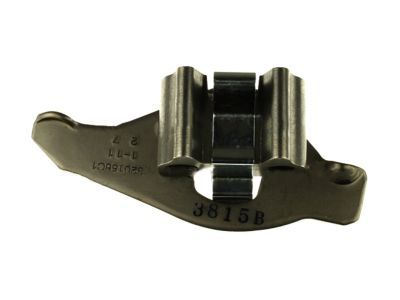
Ford Valve Rocker Arm Assembly
Part Number: F4TZ-6564-B$74.56 MSRP: $103.81You Save: $29.25 (29%)Ships in 1-3 Business DaysProduct Specifications- Other Name: Arm Assy - Valve Rocker; Rocker Arms


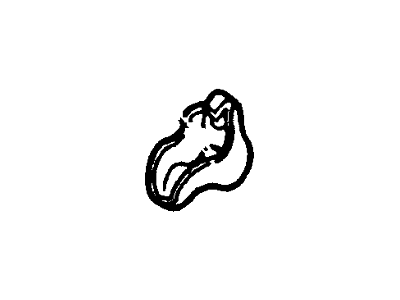
Ford Valve Rocker Arm Assembly
Part Number: E9SZ-6564-A$23.33 MSRP: $31.87You Save: $8.54 (27%)Ships in 1-2 Business DaysProduct Specifications- Other Name: Arm Assy - Valve Rocker; Rocker Arms
- Replaces: FOSZ-6564-A
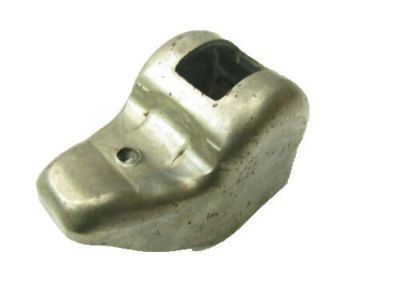
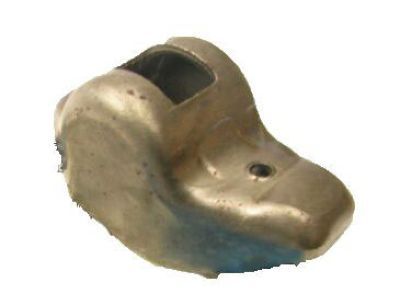
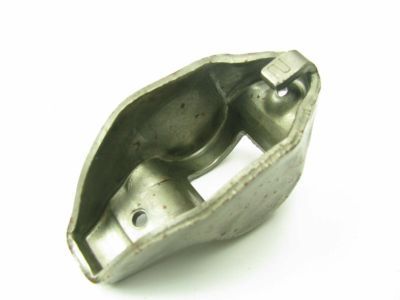
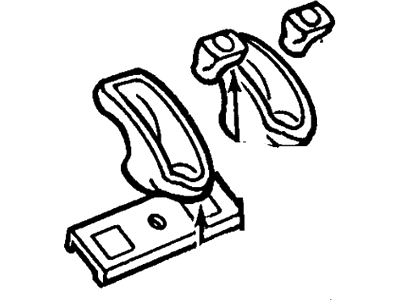
Ford Valve Rocker Arm Assembly
Part Number: E43Z-6564-A$13.73 MSRP: $18.75You Save: $5.02 (27%)Ships in 1-2 Business DaysProduct Specifications- Other Name: Arm Assy - Valve Rocker; Rocker Arms
- Manufacturer Note: HSC
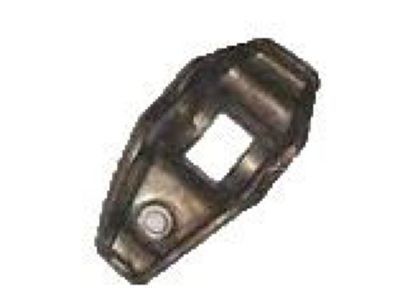 Product Specifications
- Other Name: Arm Assy - Valve Rocker; Rocker Arms
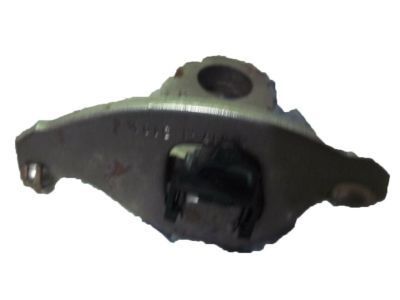
Ford Valve Rocker Arm Assembly
Part Number: 3C3Z-6564-BA$94.38 MSRP: $136.19You Save: $41.81 (31%)Ships in 1-2 Business DaysProduct Specifications- Other Name: Arm Assy - Valve Rocker
- Replaced by: 3C3Z-6564-BB
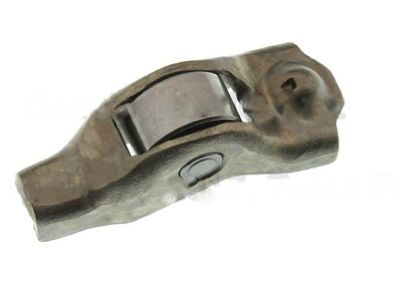
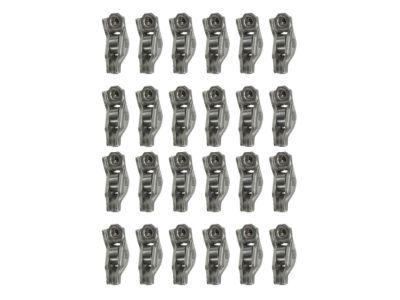
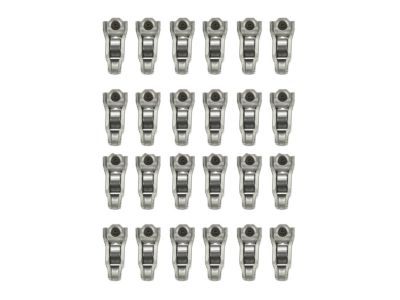
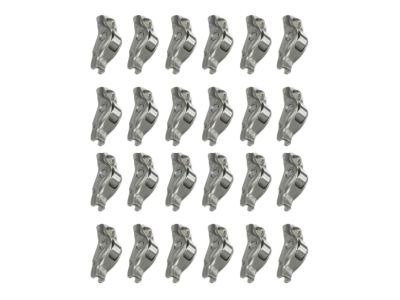
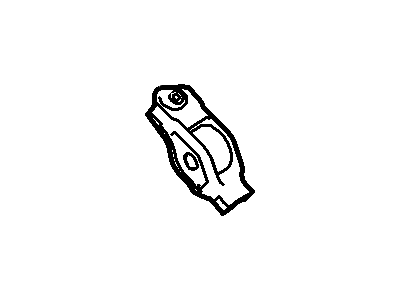
Ford Valve Rocker Arm Assembly
Part Number: 3L3Z-6564-A$23.03 MSRP: $33.67You Save: $10.64 (32%)Ships in 1 Business DayProduct Specifications- Other Name: Arm Assy - Valve Rocker; Rocker Arms
- Replaces: 3L3Z-6564-BA


Ford ARM ASY - VALVE ROCKER
Part Number: ML3Z-6564-A$12.99 MSRP: $18.50You Save: $5.51 (30%)Ships in 1-2 Business DaysProduct Specifications- Other Name: Rocker Arms
- Replaces: ML3Z-6564-G
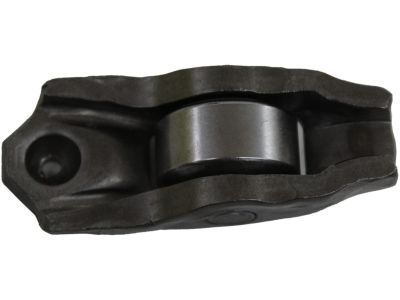
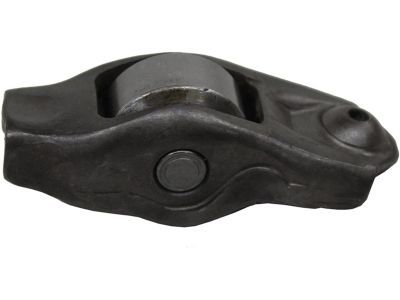
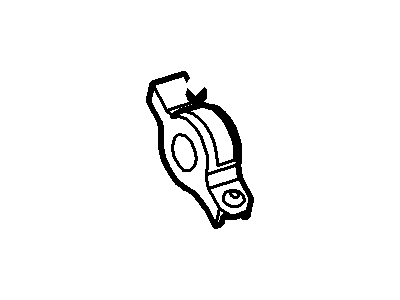
Ford Valve Rocker Arm Assembly
Part Number: F8AZ-6564-AA$18.01 MSRP: $26.33You Save: $8.32 (32%)Ships in 1 Business DayProduct Specifications- Other Name: Arm Assy - Valve Rocker; Rocker Arms
- Replaces: F6AZ-6564-AA, F2AZ-6564-A
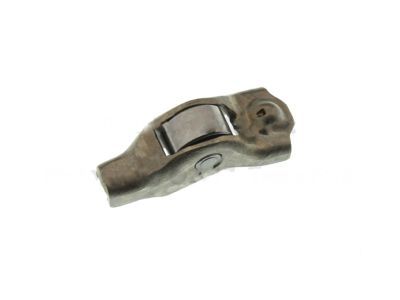
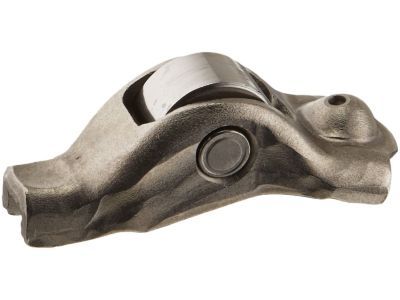
Ford Valve Rocker Arm Assembly
Part Number: 3L3Z-6564-BA$23.03 MSRP: $33.67You Save: $10.64 (32%)Ships in 1 Business DayProduct Specifications- Other Name: Arm Assy - Valve Rocker
- Manufacturer Note: ARM, ASY ROCKER
- Replaced by: 3L3Z-6564-A
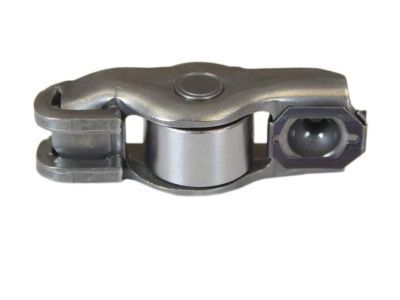
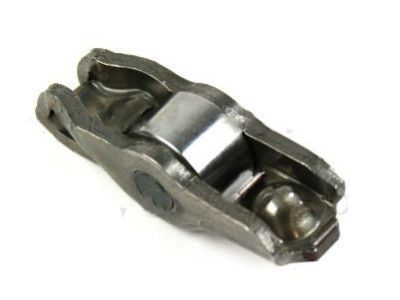
Ford Valve Rocker Arm Assembly
Part Number: BR3Z-6564-A$15.62 MSRP: $22.83You Save: $7.21 (32%)Ships in 1-2 Business DaysProduct Specifications- Other Name: Arm Assy - Valve Rocker; Rocker Arms
- Manufacturer Note: Includes Retaining Clip
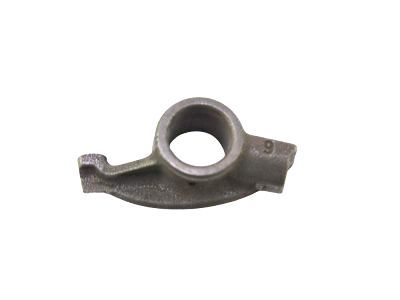
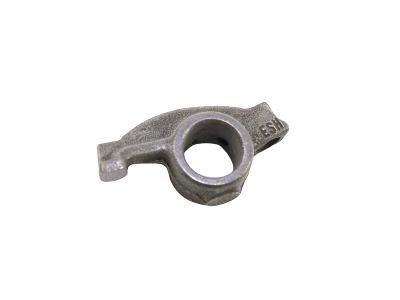
Ford Valve Rocker Arm Assembly
Part Number: FOTZ-6564-A$34.66 MSRP: $50.67You Save: $16.01 (32%)Ships in 1-2 Business DaysProduct Specifications- Other Name: Arm Assy - Valve Rocker; Rocker Arms
- Manufacturer Note: OHV


Ford Valve Rocker Arm Assembly
Part Number: FT4Z-6564-C$17.56 MSRP: $25.67You Save: $8.11 (32%)Ships in 1-3 Business DaysProduct Specifications- Other Name: Arm Assembly - Valve Rocker; Rocker Arms
- Replaces: FT4Z-6564-A
 Product Specifications
- Other Name: Rocker Arms
- Replaced by: VC3Z-6A585-A
- Replaces: BC3Z-6A585-A, FC3Z-6A585-C, LC3Z-6A585-C, FC3Z-6A585-A, LC3Z-6A585-A
Ford Valve Rocker Arm Assembly
Part Number: 8C3Z-6K554-A$49.68 MSRP: $67.88You Save: $18.20 (27%)Ships in 1-2 Business DaysProduct Specifications- Other Name: Arm Assembly - Valve Rocker
Ford Valve Rocker Arm Assembly
Part Number: FOSZ-6564-A$23.33 MSRP: $31.87You Save: $8.54 (27%)Ships in 1-2 Business DaysProduct Specifications- Other Name: Rocker Arms; Alternator, Head Gasket
- Replaced by: E9SZ-6564-A
| Page 1 of 4 |Next >
1-20 of 69 Results
Ford Rocker Arm Parts Questions & Experts Answers
- Q: How to remove and install Rocker Arm in V8 engine on Ford Mustang?A:Care has to be taken because these engines are intricate and many operations in their management, not excluding the temporal adjustments of timing chains, adjustments of camshafts, or the outright removal and replacement of cylinder heads require special and intricate tools which if inadequately applied, can cause massive damage to the engines in question. In 4.6L engines, to service the engine assembly, the valve covers have to be unbolted first, the rocker arms have to be removed also but they have to be removed in two phases so that valve head crashes into the pistons do not occur. The first stage involves compressing some valve springs and the removal of the rocker arms and the position of the engine slightly advance from TDC for cylinder one. The second stage involves turning the engine by 180 degrees anticlockwise to get rid of the other rocker arms. These camshaft rocker arms should be reassembled with the original camshaft lobes that were removed, and it is advisable to label and store all of the removed components in the event of their reuse. Finally, when the timing chains and camshafts have been taken out, the hydraulic lash adjusters have to be fixed in the exact positions where the late Lo optimizing algorithms were before they were detached from all these respective structures. In 5.0L engines, the camshaft operating the roller followers to be serviced should be taken off, as well as the hydraulic lash adjusters from their clips. Each adjuster should be checked for wear or damage where it meet the ball tip and sides and if there is any question about the adjusters in anyway it is best to replace the entire set for future problems. The rocker arms should also be inspected foe wear at the ball socket and roller surfaces. Before assembling them, the lash adjusters must be purged of air by placing them in a stand of oil and moving the plunger; the components should be coated in clean engine oil before reassembly. The engine may emit some noise after installation, especially in the adjusters until all the air is cleared; this problem can be solved by running the engine at a slightly higher pace for some time.
- Q: How to remove, inspect, and install the rocker arm and Pushrod in 4.0L pushrod V6 engine on Ford Ranger?A:Before you can take out the valve cover(s) you should turn the rocker arm shaft support bolts, starting from the central one and working outwards, until they can be turned by hand-two turns at a time. Remove the rocker shaft assembly from the cylinder head; it is advisable to place a mark on each shaft so that it can easily be reassembled in position. Take out the pushrods and put each part in its place in a holder such that all its ends will be at the top. Remove the pins in the rocker arm assembly and place the parts in a sequential manner on the work bench so that one does not get mixed up with the other. Each rocker arm must be checked for any signs of wear, crack, or damage on those portions of the centres where it bears upon the pushrods and the valve stem faces and all oil ways must be clear. Inspect the bore of the rocker arm and the corresponding position on the rocker shaft for wear, cracks, and galling of the parts and then replace the parts if they are worn out. As mentioned above closely examine the pushrods for any evidence of cracking or excessive wear roll the rods on a piece of plate glass to check for bending. When necessary the plugs at the two ends of the rocker shafts may be withdrawn by knocking out with the aid of a long steel bar. If plugs have been withdrawn, insert new ones with hammer and suitable drift. Fit the rocker assembly with the new cotter pins in the ends of the rocker shaft where the split is up with the holes facing down as indicated on the front of both rocker shafts by a notch. The end of the pushrods should be lubricated with assembly lube before fitting them into the engine, original pushrods should be refitted. Grease the rocker arm pads and after that fix the rocker arm assembly on the engine with the notch on the front end of the shaft downward. Insert the rocker arm ball ends on the pushrods and fasten the rocker shaft support bolts and turn those to a two turn at a time with the help of torque wrench until they will reach the specified torque in everywhere but in the centre bolt. The remaining of the installation is done in the reverse order as that of the removal.
Related Ford Parts
 Ford Cylinder Head Bolts
 Ford Timing Cover
 Ford Spool Valve
 Ford Intake Valve
 Ford Camshaft
 Ford Exhaust Valve
 Ford Cylinder Head Gasket
 Ford Cylinder Head
 Ford Rocker Shaft Spring Kit
Browse by Model
Aerostar Rocker Arm Bronco II Rocker Arm Bronco Rocker Arm Bronco Sport Rocker Arm Contour Rocker Arm Crown Victoria Rocker Arm E-150 Rocker Arm E-250 Rocker Arm E-350/E-350 Super Duty Rocker Arm E-450 Super Duty Rocker Arm Econoline Super Duty(1996-1999) Rocker Arm Edge Rocker Arm Escape Rocker Arm Escort Rocker Arm Excursion Rocker Arm Expedition Rocker Arm Explorer Rocker Arm Explorer Sport Rocker Arm Explorer Sport Trac Rocker Arm F Super Duty Rocker Arm F-150 Rocker Arm F-250 Rocker Arm F-250 Super Duty Rocker Arm F-350 Rocker Arm F-350 Super Duty Rocker Arm F-450 Super Duty Rocker Arm F-550 Super Duty Rocker Arm F53 Stripped Chassis Rocker Arm F59 Rocker Arm Festiva Rocker Arm Five Hundred Rocker Arm Focus Rocker Arm Freestar Rocker Arm Freestyle Rocker Arm Fusion Rocker Arm GT Rocker Arm Granada Rocker Arm Mustang Rocker Arm Police Interceptor Utility Rocker Arm Probe Rocker Arm Ranger Rocker Arm Taurus Rocker Arm Tempo Rocker Arm Thunderbird Rocker Arm Transit Connect Rocker Arm Windstar Rocker Arm